Why pH matters down there
Vaginal pH, osmolality, and why a lube's formula can matter as much as its feel. A short explainer on what 'body-safe' should actually mean.
Figa Intimacy · · 1 min read

“pH-balanced” shows up on a lot of labels. Here’s why it’s worth caring about, and what else to look for in a lube.
A quick pH refresher
pH measures how acidic or alkaline something is, on a scale from 0 to 14. A healthy vagina is naturally acidic, usually around 3.8 to 4.5. That acidity helps the good bacteria (mostly Lactobacillus) do their job of keeping unwanted bacteria and yeast in check.
Things that can nudge that balance off include semen (which is alkaline), some soaps and washes, and some products that don’t match the body’s natural range.
Why your lube’s pH matters
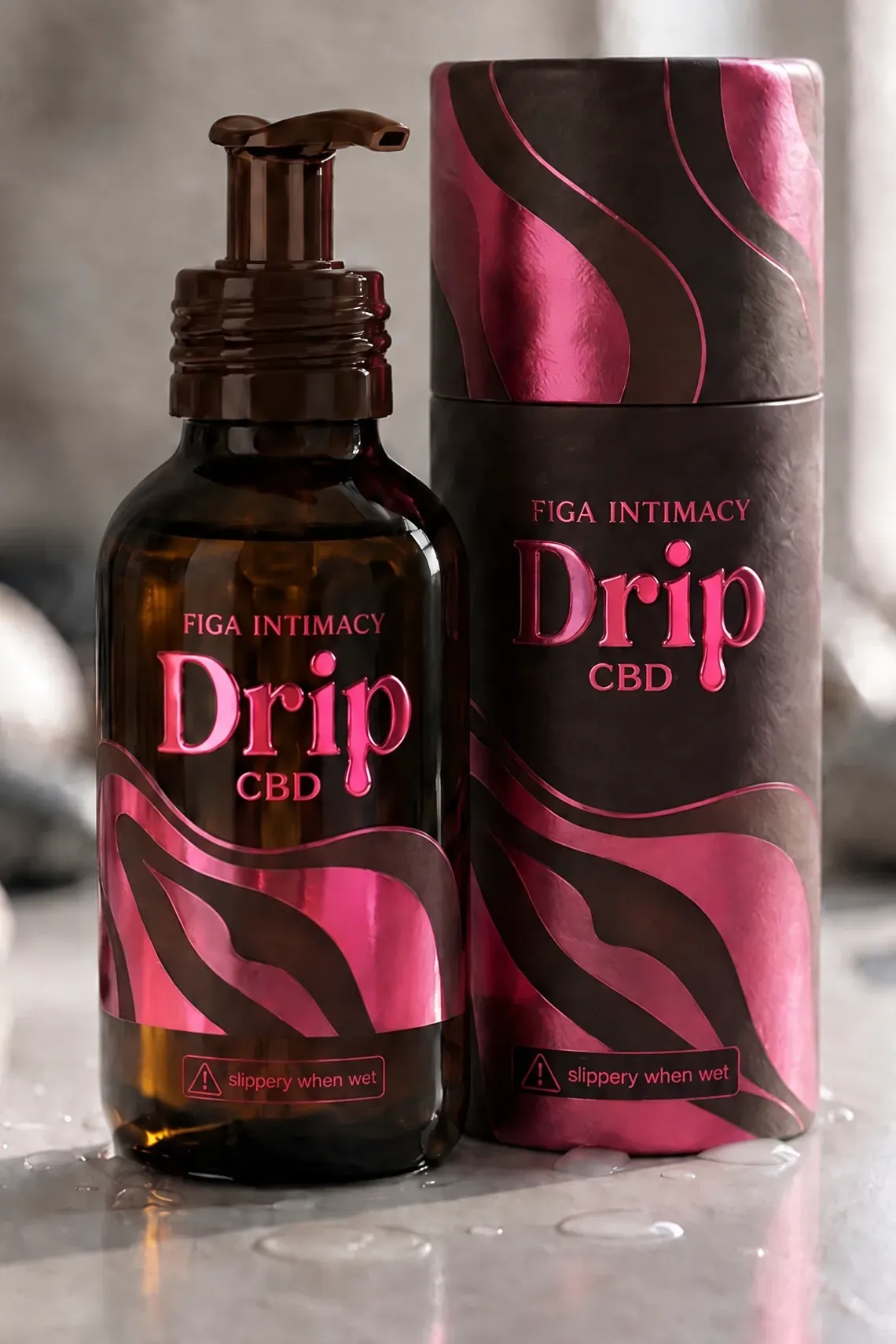
Lube goes exactly where that balance lives. A formula that works with your body’s chemistry is less likely to cause irritation. That’s why we formulated Drip to be pH-balanced.
The other number: osmolality
pH gets the attention, but osmolality matters too. It’s a measure of how concentrated a liquid is. When a lube is much more concentrated than your body’s own fluids, it can pull water out of delicate tissue, which may leave things feeling irritated instead of refreshed. The World Health Organization recommends that personal lubricants keep osmolality in a moderate range for exactly this reason.
High levels of ingredients like glycerin can push osmolality up, which is one reason Drip is glycerin-free.
What “body-safe” should mean
When you’re comparing lubes, look for:
- A pH suited to where you’ll use it. That’s acidic for vaginal use.
- No glycerin or parabens, if you’re prone to irritation.
- A short, readable ingredient list.
- Condom compatibility if you use condoms. Water-based and silicone lubes are safe with latex; oil is not.
When to see a pro
If you have ongoing itching, unusual discharge, odor, or pain with sex, it’s worth checking in with a healthcare provider. A good lube makes sex more comfortable, but it doesn’t replace care.
This article is for general education, not medical advice. Talk to a healthcare provider about your specific situation.